Best Sauna Stones (2025)
Updated February 2025 — Backyard Sauna Pro
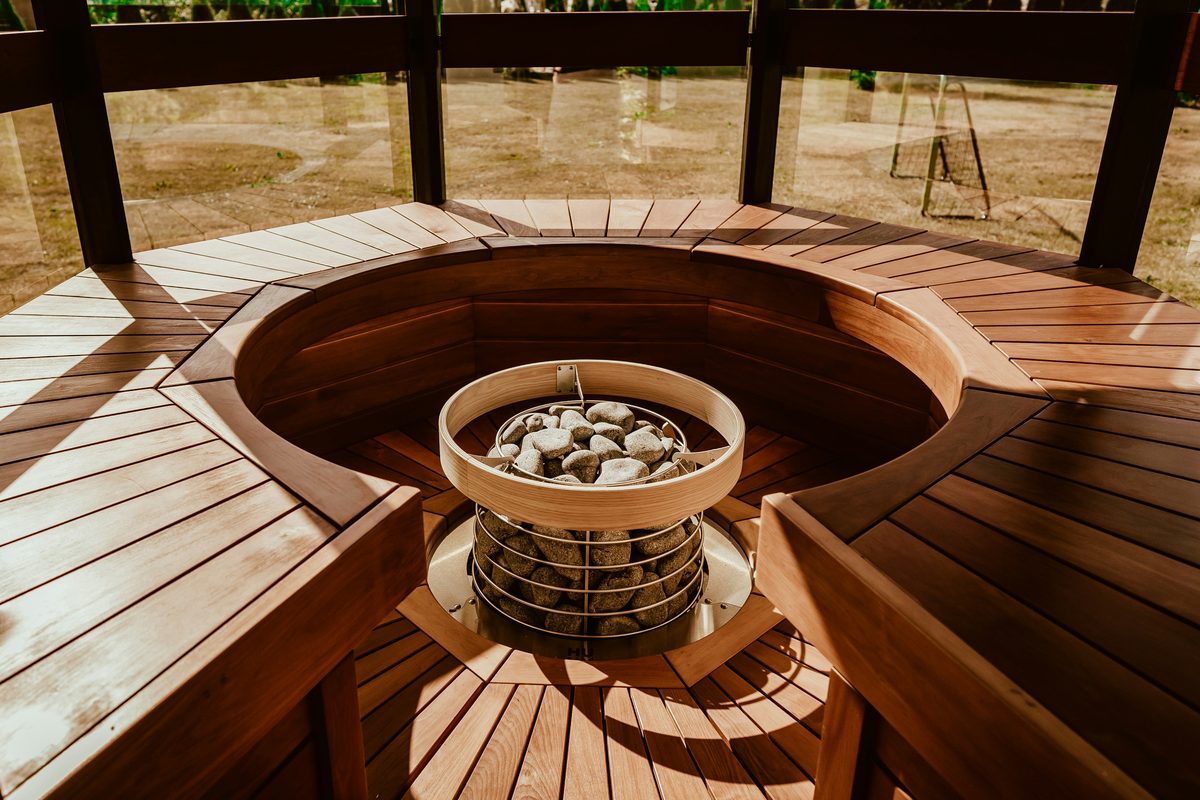
Most people don't think about sauna stones until they need to replace them. That's a mistake, the stones you put in your heater directly affect heat quality, steam quality, and how long your heater elements last. The wrong stones crack, crumble, and block airflow through the heater bed.
The right stones are dense, crack-resistant, and sized correctly for your heater. Here's what works and what to avoid.
Top Picks
Olivine Sauna Stones (Premium)
Olivine, also called peridotite, is the preferred stone for serious sauna users. It's dense, handles heat cycling better than most alternatives, and produces a clean steam with no mineral smell. Finnish sauna manufacturers have used olivine as the standard for decades. These premium stones are pre-washed and sized for standard heaters.
- Material: olivine (peridotite)
- Size: 2-4 inch diameter (fits most heaters)
- Weight options: 22 lb, 44 lb bags
- Works with electric and wood-burning heaters
Olivine Sauna Rocks (Standard)
Same olivine material at a lower price per pound. Good for first-time buyers who want to try olivine without committing to a premium bag. Slightly more variation in size and shape than the premium option, which doesn't affect performance but looks less uniform in the heater.
Check Price on AmazonStone Types: What Works and What Doesn't
Olivine (best)
Olivine is a magnesium iron silicate with high density and excellent thermal stability. It withstands the heat cycling of a sauna heater, heating to 200°F+ and cooling repeatedly, without cracking or crumbling. It's the stone Finnish heater manufacturers like Harvia recommend and often include with their products. If you're buying sauna stones and want one right answer, olivine is it.
Granite (good)
Granite is widely available, affordable, and handles sauna temperatures adequately. It's denser than many alternatives but more prone to cracking over time than olivine. A good secondary choice if olivine isn't available, especially for wood-burning heaters where stone turnover is more frequent anyway due to ash exposure.
Volcanic rock (acceptable)
Basalt and other volcanic stones are sometimes sold as sauna stones. They work but are more porous than olivine or granite, which means they absorb more water and eventually deteriorate faster. Not the first choice but usable for the budget-conscious.
River rocks, sandstone, limestone (never)
These are dangerous. River rocks look smooth and tempting but contain trapped moisture and internal fractures from water erosion. When rapidly heated, they crack, sometimes explosively. Sandstone and limestone are sedimentary and porous, crumble under heat, and block heater airflow as they disintegrate. Never use any stone you picked up outside or bought from a non-sauna source.
How Many Stones Do You Need
Check your heater's manual first, it will specify the recommended stone weight. Most home electric sauna heaters hold 20-40 lbs. A Harvia KIP 60B holds about 33 lbs. The HUUM Drop holds around 50 lbs. Overfilling restricts airflow through the stone bed and makes the heating elements work harder than they should.
When you order stones, add 10-15% extra. You'll discard some during the initial inspection for cracks or odd shapes that don't pack well in the heater.
How to Load and Arrange Stones
Wash new stones before loading, rinse with water, no soap, and let them dry fully. Placing wet stones in a heater causes a steam surge that can trip the thermal cutoff on some units.
Load larger stones in the bottom of the heater basket, smaller stones on top. This creates better airflow through the stone mass and more even heat distribution. Don't cram them in, stones need space between them for air and steam to circulate.
After loading, run the heater empty for one full heat cycle before your first session. This burns off any surface residue and lets you check that the stones aren't cracking under initial heat.
When to Replace Them
Quality olivine stones last 3-5 years with regular use. Inspect them once a year. Replace any stones that show visible cracking, crumbling edges, white calcium deposits that won't wash off, or any that have noticeably shrunk in size from repeated thermal stress.
If your steam starts smelling dusty or minerally after adding water, that's a sign stones are deteriorating. A full stone replacement fixes it within a session or two.
FAQ
What are the best rocks for a sauna?
Olivine (peridotite) is the gold standard. Dense, crack-resistant, long-lasting. Granite is a solid backup. Never use river rocks, sandstone, or limestone.
How often should sauna stones be replaced?
Every 3-5 years with regular use. Replace sooner if you see cracking, crumbling, mineral deposits, or notice your steam smelling dusty.
How many stones do I need?
Check your heater's manual. Most home heaters hold 20-40 lbs. Order 10-15% extra to account for rejects during inspection.
Can you use any rocks in a sauna?
No. River rocks, sedimentary stones, and porous rocks are dangerous, they crack or explode under rapid heating. Only use stones sold specifically for sauna heaters.