
Buying Guides
Infrared vs Traditional Sauna: Which Is Right for You?
Updated October 2024 · 8 min read
Most people assume one is obviously better. They're wrong. The right choice depends entirely on how you use it, where you live, and what you actually want out of the experience. We've broken it all down so you can decide fast and decide right.
Quick Summary
- Infrared: Lower temps (120–150°F), easier install, lower energy cost, gentle heat
- Traditional: Higher temps (160–195°F), authentic steam option, deeper sweat, cultural experience
- Our take: Beginners → infrared. Sauna enthusiasts → traditional.
How Each Type Works
Traditional (Finnish) Sauna
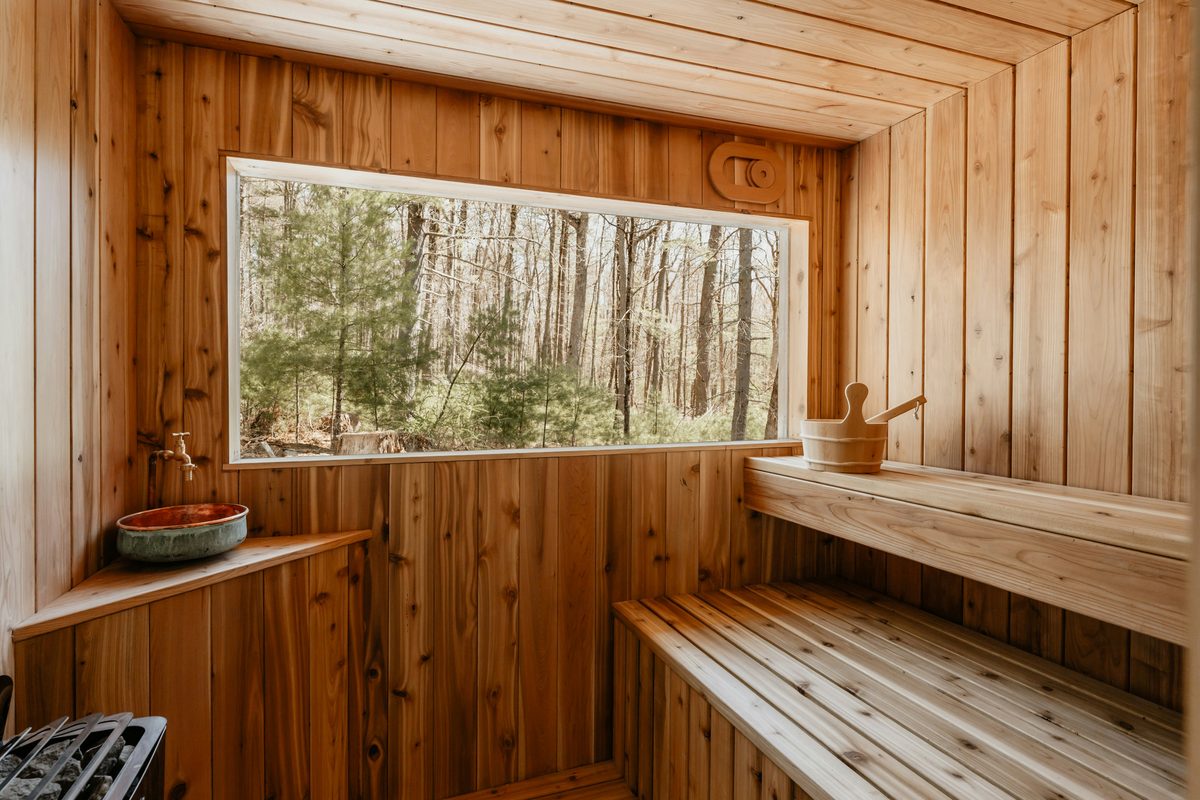
Traditional saunas heat the air in the room using an electric heater or wood-burning stove with rocks on top. The rocks retain heat, and you can pour water over them to create steam (called löyly). Temperatures typically reach 160–195°F (70–90°C) with 10–20% humidity or higher if you're adding steam.
Infrared Sauna
Infrared saunas use infrared light panels to heat your body directly, rather than heating the surrounding air. They operate at much lower temperatures typically 120–150°F (49–65°C) but many users report sweating as much or more than in a traditional sauna because the heat penetrates deeper into tissue.
Head-to-Head Comparison
| Factor | Traditional | Infrared |
|---|---|---|
| Temperature | 160–195°F | 120–150°F |
| Heat-up Time | 30–45 minutes | 10–20 minutes |
| Installation | Requires ventilation, wiring | Plug-and-play (most models) |
| Energy Cost | Higher (more heat) | Lower (~1.5–2 kWh/session) |
| Steam (löyly) | Yes | No |
| Typical Size | 4–8+ person | 1–4 person |
| Price Range | $1,500–$10,000+ | $800–$4,000 |
| Humidity | Adjustable (dry to steamy) | Dry only |
| Maintenance | Rocks need replacing | Panels are low-maintenance |
Health Benefits: Is One Better?
Both types have solid research behind them. Traditional saunas have decades of Finnish studies showing cardiovascular benefits, stress reduction, and improved circulation. Infrared studies are newer but show similar benefits and some research suggests the deeper tissue penetration may be beneficial for muscle recovery and joint pain.
Bottom line: The "best" sauna is the one you'll actually use. If the intense heat of a traditional sauna keeps you from staying in, you won't get the benefits.
Installation: What's Actually Involved
Infrared Much Easier
Most infrared saunas are pre-built panels that bolt together in 2–4 hours. Many plug into a standard 120V outlet, though larger models need a 240V circuit. No special ventilation required. Perfect for garages, spare rooms, or covered patios.
Traditional More Work, More Reward
Electric traditional saunas need a 240V dedicated circuit. Outdoor barrel saunas require a level foundation and weatherproofing. Wood-burning options need a proper chimney or flue. It's more involved, but the result feels more permanent and authentic.
Our Top Picks for Each Type
Dynamic Saunas Barcelona 1-2 Person Far Infrared
Heats to 140°F in 15 minutes, low-EMF carbon panels, Canadian hemlock construction. The best value in infrared under $1,000.
Check Price on Amazon →Almost Heaven Pinnacle 2-Person Barrel Sauna
Solid cedar construction, fits 2 comfortably, easy assembly for a traditional sauna. The barrel shape retains heat beautifully.
Check Price on Amazon →So, Which Should You Choose?
Choose Infrared If…
- You're new to saunas
- Budget is a priority
- You want quick heat-up times
- Installing in a finished room
- You prefer lower temperatures
- Muscle recovery is the goal
Choose Traditional If…
- You love the steam experience
- You want the authentic Finnish feel
- Building outdoors
- You prefer high temps & intense heat
- Multiple people will use it regularly
- You're investing for the long term
Related guides
Ready to Shop?
See our full curated list of the best backyard saunas for every budget.
See Best Saunas of 2025 →