Outdoor Sauna in Winter: How to Use and Maintain It in the Cold
Updated March 2025 — Backyard Sauna Pro
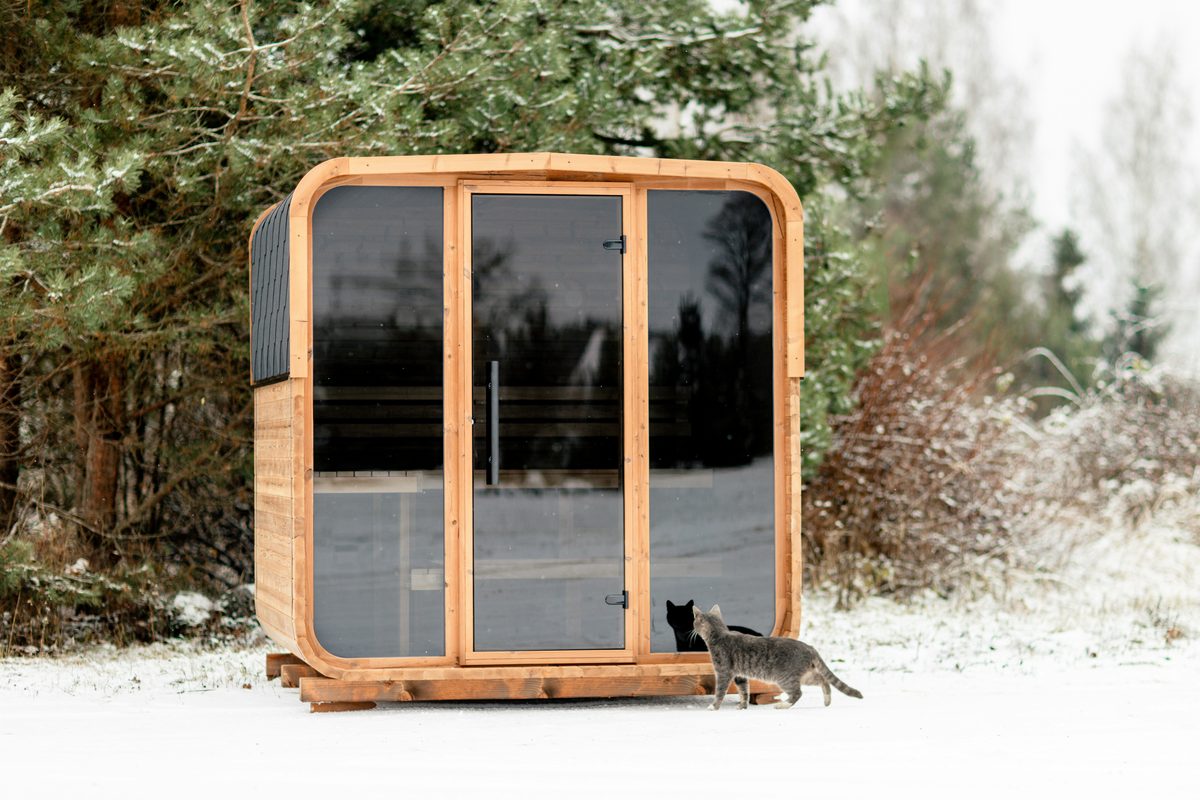
Winter is when an outdoor sauna earns its keep. The cold air makes the heat feel more intense, the contrast between the sauna and outside is extreme, and there's genuinely nothing like stepping out of a 185°F barrel into a February night. People who use saunas year-round often say winter is their favorite season for it.
It does require some preparation. Here's what you need to know about using and maintaining an outdoor sauna through cold-weather months.
Does Cold Weather Affect the Sauna?
Heat-up time increases
In mild weather, a well-insulated barrel sauna reaches 170°F in 30-45 minutes. In deep cold, below 20°F, expect 60-90 minutes. The heater is fighting a colder starting point and more heat loss through the walls. A properly sized heater (see our heater sizing guide) handles this without issue. An undersized one struggles and may never reach full temperature on the coldest days.
Wood movement
Cedar and other sauna woods contract in cold dry air. Barrel saunas will develop small gaps between staves in winter, this is normal and the gaps close when the sauna heats up and the wood expands. Don't try to seal these gaps; they need to move seasonally. If you notice persistent large gaps that don't close when the sauna is hot, that may indicate a tightening adjustment is needed on the metal bands.
Snow load
A well-built barrel sauna handles significant snow load, the curved shape naturally sheds accumulation. Cabin saunas with flat or low-pitch roofs may need to be cleared after heavy snowfall. Check your specific model's structural ratings if you're in a high-snow zone.
Winter Preparation Checklist
- Oil the exterior wood. Do this in late fall before temperatures drop below freezing. A clear penetrating oil on all exterior cedar surfaces prevents moisture from getting into surface checks and expanding during freeze-thaw cycles. Focus especially on end grain at the stave ends.
- Check door and window seals. Cold air infiltration through a leaky door costs significant heat and extends preheat time. Run your hand along the door seal with the sauna running, if you feel cold air, replace the weatherstripping.
- Clear the electrical access. If your heater control is mounted outside, make sure it's accessible and the cable entry point is sealed against moisture. Snow and ice getting into an outdoor-rated junction box is a service call waiting to happen.
- Plan your path. Ice between the house and the sauna is a real hazard, especially when you're barefoot or wet from a shower. Sand the path or install deck grating over the route you walk between sessions.
- Pre-heat strategy. Set a timer or smart plug so the sauna starts heating 60-90 minutes before you want to use it. Walking out to a hot sauna is better than standing around waiting in the cold.
The Winter Cool-Down: Snow and Cold Plunge
The cold contrast is what makes winter sauna exceptional. Options in order of intensity:
- Cold shower: Easiest. Works year-round, no special setup.
- Roll in snow: The Finnish classic. A fresh layer of snow, a quick roll, back to the sauna. Takes about 10 seconds of bravery.
- Cold plunge tub: A metal stock tank or purpose-built cold plunge filled with water maintained at 40-55°F. The most intense option and increasingly popular among people serious about the contrast therapy benefits.
- Step outside in the cold air: Even just standing outside in winter air after the sauna is effective. Your body temperature drops quickly in still cold air.
If You Don't Use It Through Winter
If you're in a climate where you won't sauna between December and March, a light winterization keeps the sauna in good shape for spring:
- Leave the ventilation slightly open to prevent moisture buildup inside
- Remove the bucket and ladle and store indoors to prevent cracking
- Cover with a weatherproof sauna cover (see our sauna cover guide)
- Do not seal the sauna airtight: it needs airflow to prevent mold
Best Saunas for Cold Climates
If you're buying specifically for cold-climate use, prioritize:
- Thicker staves: 1.75-inch cedar handles cold better than 1.25-inch. Dundalk LeisureCraft is the benchmark here.
- Proper heater sizing: Size up for cold climates: the extra kW is worth it in winter.
- Quality door seals: Look for reviews specifically mentioning winter use before buying.
Our best barrel saunas for cold climates guide has specific model picks for winter-focused buyers.
FAQ
Can you use an outdoor sauna in winter?
Yes, and many people consider winter the best time. The heat-cold contrast is more extreme and more invigorating.
How do you winterize an outdoor sauna?
Oil exterior wood in fall, check door seals, clear snow from roof if needed, leave slight ventilation open if storing unused, and cover with a weatherproof cover.
How long does it take to heat a sauna in winter?
45-90 minutes in cold weather vs 30-45 in mild weather. Plan ahead and use a timer so it's hot when you're ready.