Sauna and Cold Plunge: How to Do Contrast Therapy Right
Updated March 2025 — Backyard Sauna Pro
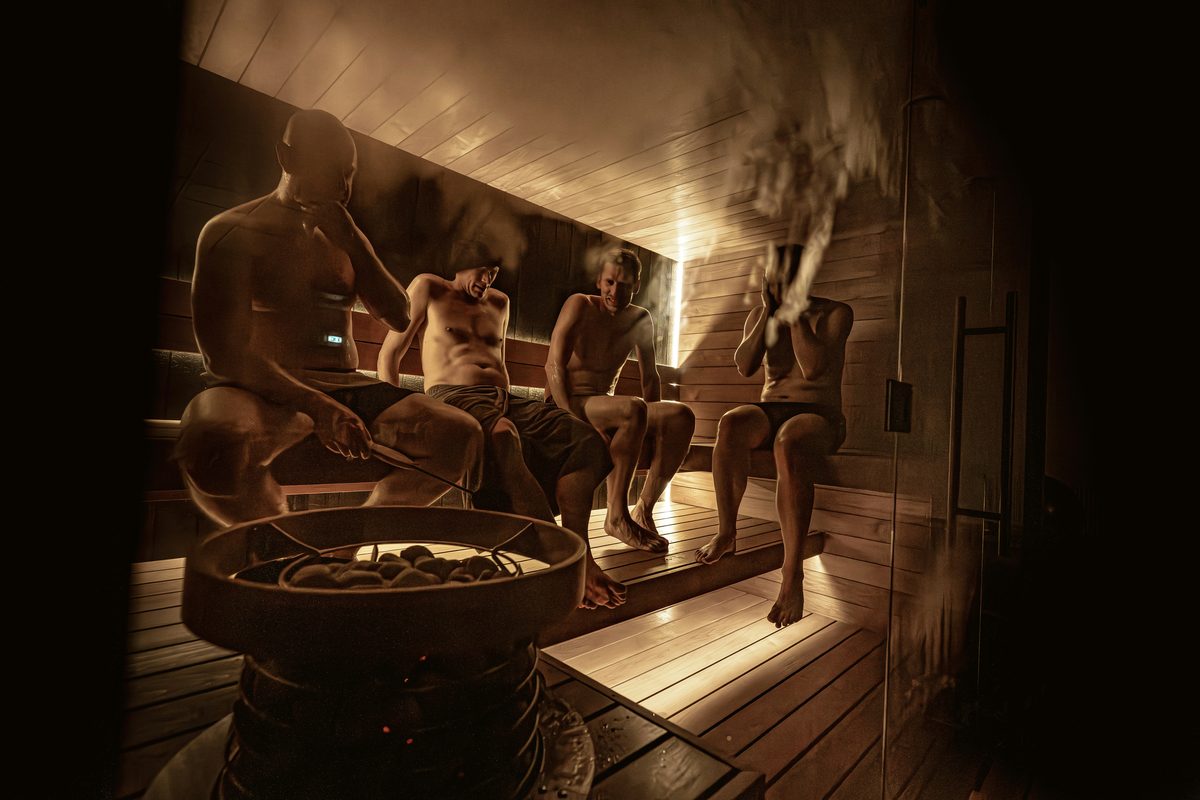
Hot-cold contrast therapy has been part of Finnish and Scandinavian sauna culture for centuries. The combination of intense heat followed by cold exposure does something that neither alone achieves, a full-body reset that leaves most people feeling more alert, less tense, and physically lighter than when they started.
This guide covers the sequence, temperatures, timing, and science behind why it works.
The Basic Protocol
- 1. Heat up (15-20 min). Enter the sauna at 170-185°F. Sit at upper bench level. Add water to rocks as desired. Exit when you feel comfortably hot and starting to sweat heavily.
- 2. Cool down (1-3 min). Cold plunge, cold shower, or step outside in cold air. The colder and more sudden the transition, the stronger the response: but don't push into pain.
- 3. Rest (5-10 min). Sit or lie down at room temperature. Let your heart rate normalize. This is the recovery phase: don't skip it.
- 4. Repeat 2-3 rounds. Total sauna time across all rounds: 30-60 minutes. Total session time with cool-downs and rest: 60-90 minutes.
Why It Works
Cardiovascular training
The heat-cold cycle forces your cardiovascular system to repeatedly expand and contract blood vessels. Heat causes vasodilation, blood rushes to the skin and extremities to dissipate heat. Cold causes vasoconstriction, blood pulls back to protect core organs. This repeated expansion and contraction is essentially a workout for your vascular system, improving arterial flexibility and blood pressure regulation over time.
Norepinephrine spike
Cold water immersion produces a sharp spike in norepinephrine, by some estimates 200-300% above baseline in the first 30 seconds. Norepinephrine is responsible for the heightened alertness, elevated mood, and reduced pain perception that most people feel after a cold plunge. This effect lasts for hours after the plunge itself.
Inflammation reduction
The cold exposure after exercise or sauna reduces systemic inflammatory markers. This is the mechanism behind the post-workout cold plunge favored by athletes, it's not a myth, the anti-inflammatory effect is real and measurable in blood markers for several hours afterward.
Sleep quality
The body temperature curve matters for sleep. After the contrast protocol, your core temperature drops more deeply than normal as your body compensates for the thermal stress. This deeper temperature drop in the evening accelerates sleep onset and improves sleep quality more than sauna alone.
Cold Plunge Options
Cold shower
The most accessible option. Not quite the same physiological impact as full immersion since your face and head (heat-sensitive areas) are often not submerged, but it works well and you probably already have one. Commit to 60-90 seconds of fully cold water after each round.
Stock tank cold plunge
A galvanized steel stock tank (100-150 gallons) is the most popular DIY cold plunge setup. Costs $150-$300 and pairs naturally with a backyard sauna. In winter you can leave it outdoors and let cold air maintain the temperature. In warmer months you add ice or a small chiller to keep it cold.
Purpose-built cold plunge
Commercial cold plunge tubs with built-in chillers run $3,000-$10,000+. They maintain precise temperatures year-round without ice or manual cooling. An upgrade that makes daily cold plunge much easier to sustain as a habit.
Natural water
A lake, river, or ocean in the right season is the traditional option. Jumping into a frozen lake after a Finnish sauna is not a marketing story, people genuinely do it, and the shock and subsequent euphoria are real. Not available to everyone, but worth experiencing if you ever have access.
Cold Plunge Temperatures
| Temperature | Experience Level | Notes |
|---|---|---|
| 60-65°F (15-18°C) | Beginner | Good starting point, still effective |
| 50-59°F (10-15°C) | Intermediate | Standard cold plunge range, strong response |
| Below 50°F (<10°C) | Experienced | Intense, benefits plateau here for most people |
FAQ
Should you do cold plunge before or after sauna?
After. Heat first, cold second. That's the traditional sequence and the one the research supports.
How cold should the cold plunge be?
50-59°F is the standard target range. Beginners start at 60-65°F. Below 50°F is more extreme and not necessary for most benefits.
How long should you stay in a cold plunge after sauna?
1 to 3 minutes is typical. The main cardiovascular response happens in the first 30-60 seconds. Staying longer adds cold adaptation but isn't required.