
Pain and heat
Sauna for Back Pain: Evidence, Limits, and Warning Signs
Reviewed August 2026 | 8 min read
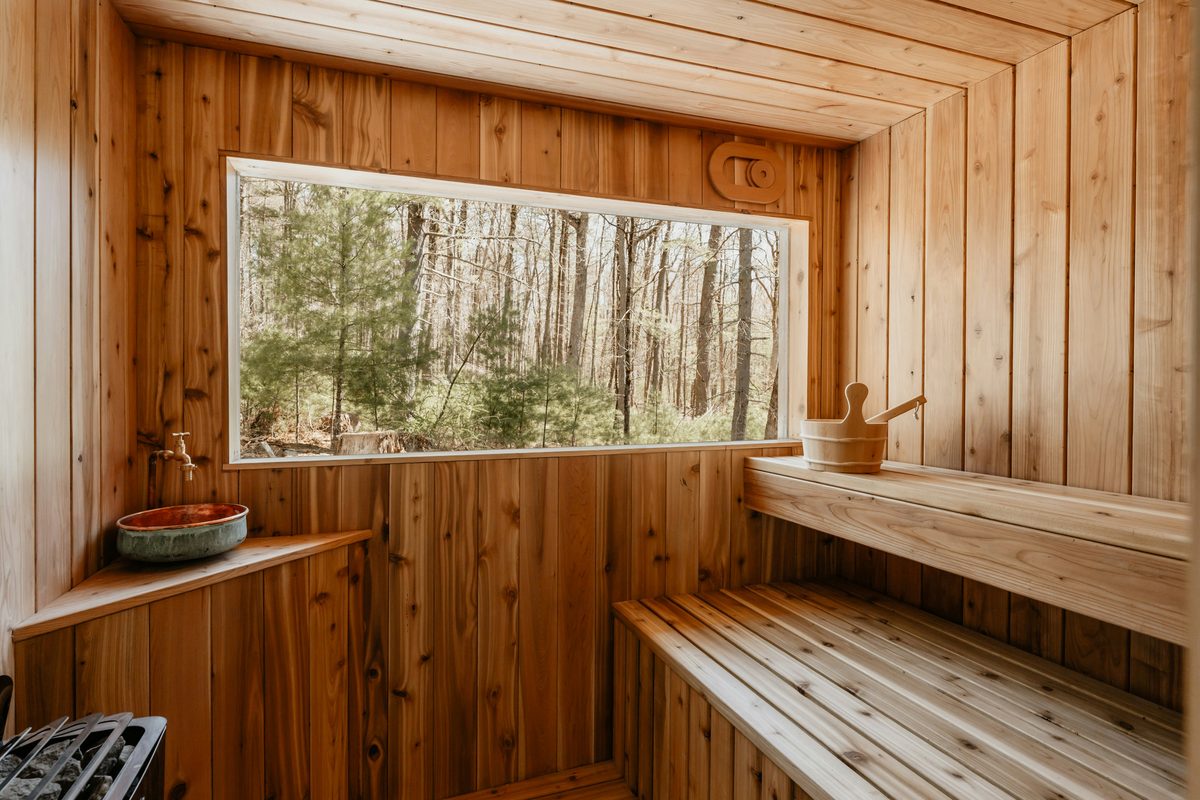
The responsible answer is narrower than many sauna claims: heat may provide temporary comfort for some people with uncomplicated low-back pain. The evidence does not show that sauna use fixes structural or neurological causes.
What the evidence shows
A review of superficial heat for low-back pain found limited evidence for small, short-term reductions in acute and subacute pain. Most of that evidence involved heat wraps, not saunas, so it should not be treated as proof of a sauna-specific effect.
One sauna-specific study reported improvement among 37 people with chronic low-back pain after a two-week program. The study was small and lacked a comparison group, which means improvement could reflect the intervention, natural variation, expectation, concurrent care, or other factors.
Sources: Cochrane review of superficial heat and cold and small uncontrolled study of dry sauna and chronic low-back pain.
What heat cannot tell you
Feeling better in warmth does not reveal whether pain comes from muscle irritation, a joint, a disc, a nerve, a fracture, infection, inflammation, or another cause. Temporary symptom relief also does not prove that an injury has healed or that activity restrictions can be ignored.
Avoid categorical lists saying certain diagnoses "respond well" to sauna. People with the same diagnosis can have different symptoms, risks, and heat tolerance.
A conservative trial for uncomplicated pain
If a clinician has not advised against heat and there are no warning signs, treat sauna use as an optional comfort measure, not a therapy plan.
- Use the product instructions: Follow the specific sauna's temperature, session, ventilation, and supervision guidance.
- Choose a comfortable position: Do not force a posture that increases pain. A stable backrest may be more comfortable than unsupported sitting.
- Start conservatively: Leave if pain increases or if you feel dizzy, faint, nauseated, confused, unusually short of breath, or unwell.
- Do not push through numbness or weakness: Those symptoms need assessment rather than more heat.
- Keep movement gentle: Do not assume warmed tissue makes aggressive stretching safe.
Infrared vs traditional
Infrared cabins usually have lower air temperatures, which some people find more comfortable. That preference is not evidence that infrared heat reaches a back injury more effectively or produces superior pain outcomes. There is not enough direct comparative research to declare a winner for back pain.
FAQ
Can a sauna help back pain?
It may provide temporary comfort for some people, but sauna-specific evidence is limited and it does not correct an underlying cause.
How long should I stay in?
There is no evidence-based back-pain session length. Follow the sauna's instructions, start conservatively, and stop for pain or heat-related symptoms.
Is infrared better?
Not based on current comparative evidence. Comfort differs, but superiority for back pain has not been established.