Sauna vs Steam Room: What's Actually Different
Updated March 2025 — Backyard Sauna Pro
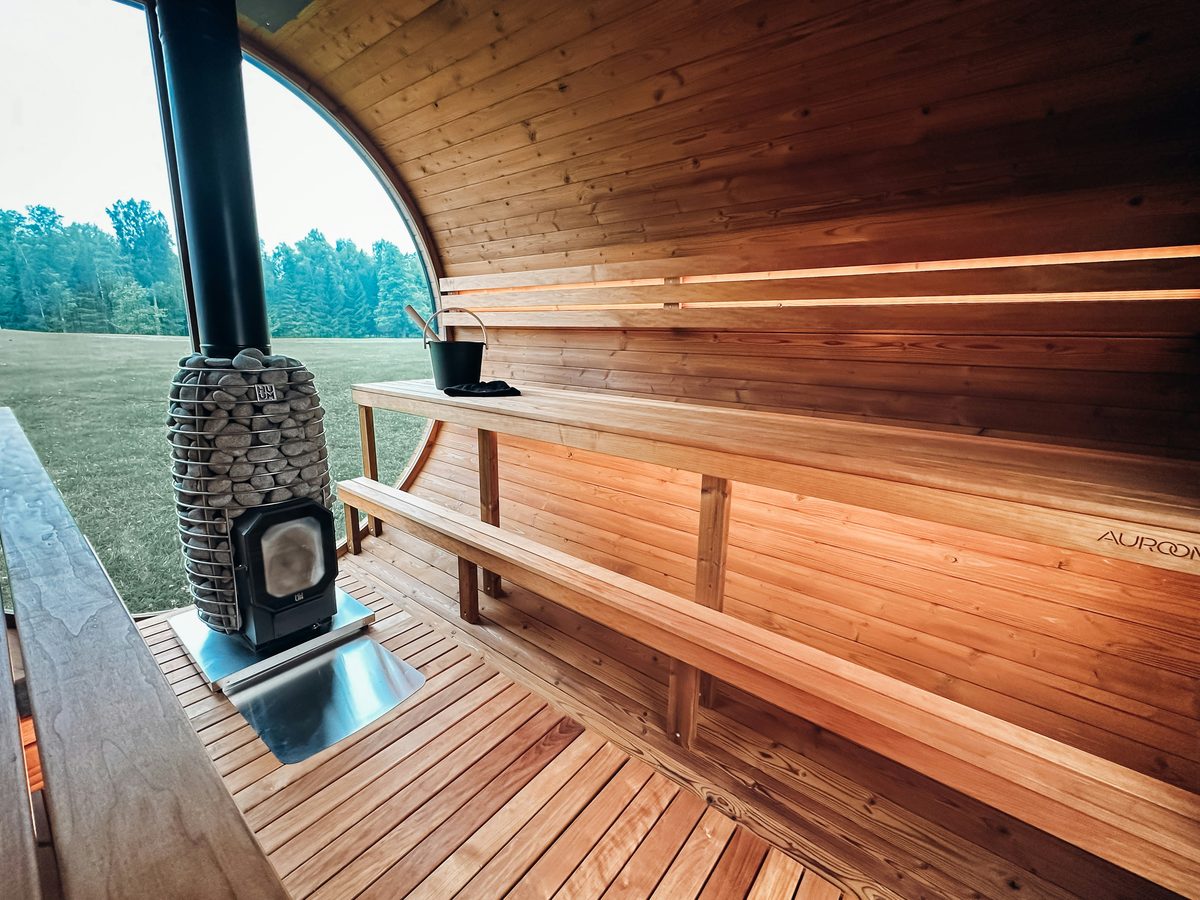
People use "sauna" and "steam room" interchangeably but they're genuinely different environments. The heat feels different, the health effects differ, the maintenance is different, and the cost to build one at home is very different.
Here's a clear breakdown so you know what you're actually choosing between.
The Core Difference
A sauna runs hot and dry. Temperatures typically range from 160 to 195°F with humidity around 10 to 20 percent. You add water to hot stones to create brief bursts of steam (löyly), but the room itself stays dry between pours.
A steam room runs cooler and completely wet. Temperatures are usually 110 to 120°F but humidity is 100 percent. The air is saturated, you're sitting inside a cloud. That combination feels intense even though the actual temperature is much lower than a sauna.
| Factor | Sauna | Steam Room |
|---|---|---|
| Temperature | 160 to 195°F | 110 to 120°F |
| Humidity | 10 to 20% | 100% |
| Construction | Wood panels, simple | Fully waterproof enclosure |
| Maintenance | Low | High (mold risk) |
| Home install cost | $1,500 to $5,000+ | $3,000 to $10,000+ |
| Research backing | Extensive | More limited |
Health Benefits
Sauna
The research on saunas is substantial. Finnish studies following tens of thousands of people over decades found that regular sauna use (4 to 7 sessions per week) was associated with significantly lower rates of cardiovascular disease and all-cause mortality. The mechanism is similar to moderate aerobic exercise, heart rate rises, blood vessels dilate, and the cardiovascular system gets a real workout.
Heat shock proteins produced during sauna sessions appear to help with muscle recovery, which is why athletes increasingly use sauna after training. There's also decent evidence for improved sleep quality and stress reduction.
Steam Room
Steam rooms are often preferred for respiratory benefits. The humid air can loosen congestion, soothe irritated airways, and is commonly recommended for people with sinus issues or mild respiratory conditions. Skin hydration is another common reason people prefer steam, the moisture keeps skin from drying out the way dry sauna heat can.
The cardiovascular research base is thinner for steam rooms. The lower temperatures mean a less intense heat stimulus, which likely means less cardiovascular benefit compared to a traditional sauna session.
Which Is Easier to Build at Home
Sauna is significantly easier. A barrel sauna kit can be installed in a day with basic tools. Indoor sauna kits drop into a spare room. The wood construction handles heat cycles well, maintenance is minimal, and there's no plumbing required beyond your electrical hookup.
A steam room is a serious construction project. The entire enclosure needs to be completely waterproof, floor, walls, ceiling, every joint. A steam generator needs a water line and drainage. The door has to seal tightly. Any gap where steam escapes can cause moisture damage to surrounding structures. Mold is an ongoing maintenance concern because every surface is wet after every session.
For most homeowners considering one or the other, a home sauna is the practical choice. Same core experience (heat, sweat, relaxation, health benefits) with a fraction of the installation complexity and ongoing maintenance.
When a Steam Room Makes More Sense
If respiratory health is your main goal, you have chronic sinus issues, you're already doing a full bathroom renovation and can integrate a steam shower at the same time, or you simply prefer the feeling of humid heat over dry heat, steam room is worth considering. Some people genuinely can't tolerate the dry heat of a traditional sauna and find steam much more comfortable. That's a legitimate reason to choose it.
FAQ
Is a sauna or steam room better for you?
Both have real health benefits. Sauna has stronger research behind it, especially for cardiovascular health. Steam rooms have an edge for respiratory benefits and skin hydration. For a home installation, sauna is easier and cheaper to build and maintain.
Which burns more calories, sauna or steam room?
Neither burns significant calories compared to exercise. Heart rate rises in both, but calorie burn is modest. Don't choose based on this.
Can you build a steam room at home?
Yes, but it's a real construction project requiring a fully waterproof enclosure, steam generator, water line, and drainage. Much more complex than a home sauna kit.