Sauna After Workout: Benefits, Timing, and What the Research Says
Updated February 2025 — Backyard Sauna Pro
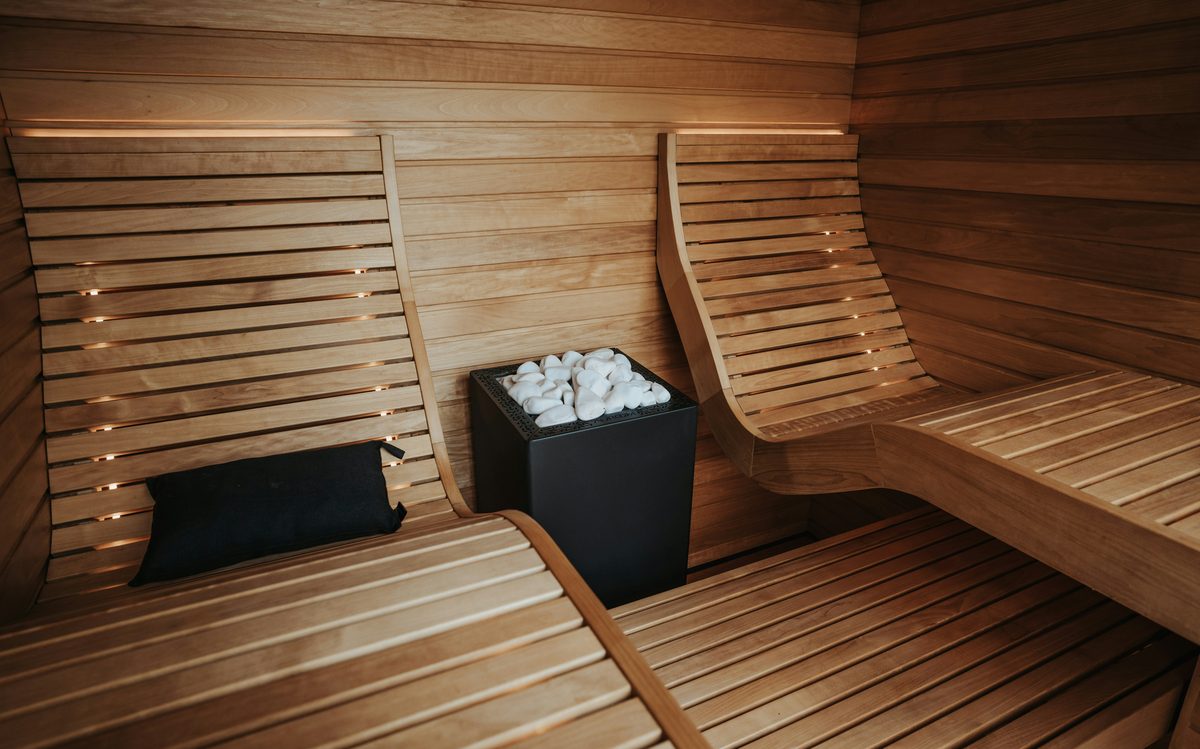
Using a sauna after training has become a standard part of many athletes' recovery protocols, and the research actually supports it. This isn't wellness theater. There are real physiological mechanisms that explain why post-workout heat exposure helps.
The caveats matter too. Sauna after a workout puts additional cardiovascular and thermal stress on a body that's already depleted. Done right it helps. Done carelessly it makes recovery worse. Here's what you need to know.
The Benefits
Reduced muscle soreness
Heat increases blood flow to muscle tissue, which accelerates the clearance of metabolic waste products that contribute to delayed onset muscle soreness (DOMS). Studies on heat therapy for post-exercise recovery consistently show reduced soreness ratings at 24 and 48 hours when heat is applied within an hour of training. A 15-minute sauna at 170-185°F delivers that heat stimulus efficiently.
Cardiovascular adaptation
A Finnish study published in the Journal of Science and Medicine in Sport found that athletes who used a sauna after endurance training showed greater improvements in aerobic capacity and plasma volume compared to athletes who didn't. The heat stress acts as an additional cardiovascular stimulus, your heart rate during a sauna session is comparable to light jogging. This is sometimes called "passive cardio."
Growth hormone release
Sauna use reliably elevates growth hormone levels. A 1986 study found a 2-fold increase in GH after a single sauna session; other studies have shown up to 5-fold increases depending on duration and temperature. Combining exercise-induced GH release with sauna-induced GH release in the same session creates a compounding effect. For people interested in muscle growth and recovery, the post-workout window is when the sauna is most useful.
Heat shock proteins
Repeated heat stress upregulates the production of heat shock proteins (HSPs), which protect cells from stress damage and play a role in muscle repair. Regular post-workout sauna use appears to increase baseline HSP levels over time, which may contribute to the long-term recovery benefits reported by consistent users.
How to Do It Right
Hydrate first
This is the most important point. You've already lost significant fluid through sweat during training. Adding a sauna session on top of a dehydrated body is how people get lightheaded or pass out. Drink at least 16-20 oz of water between finishing your workout and entering the sauna. More if you trained hard or in heat.
Wait 10-15 minutes after training
Your core temperature is already elevated post-workout. Walking straight from an intense training session into a 185°F sauna is a lot of thermal stress in a short window. Give your heart rate time to come down to around 100 BPM before entering. Light stretching or a slow walk during this window is useful.
Duration
15 to 20 minutes in one session is the target for post-workout use. You don't need multiple rounds, your body is already warm and the benefits accumulate faster than in a cold-start session. If you feel dizzy, flushed, or nauseous, exit immediately. These are signals your body is under too much stress.
Cold after heat
Following the sauna with a cold shower or cold plunge amplifies the recovery response. The contrast between extreme heat and cold activates the parasympathetic nervous system, produces a substantial endorphin release, and reduces systemic inflammation markers. This heat-cold contrast is the heart of traditional Finnish sauna culture and the science backs it as a recovery protocol.
When to Skip It
After very long or very intense sessions, marathon training runs, heavy competition, extended high-intensity work, the recovery priority is rehydration, nutrition, and sleep. A sauna adds thermal load that may interfere with the immediate recovery your body needs after those efforts. Save it for moderate training days.
If you're sick, overtrained, or have a cardiovascular condition, consult a doctor before using sauna post-workout. The combination stresses is more significant than either alone.
FAQ
Is it good to use a sauna after a workout?
Yes, for most people in most training scenarios. Reduces soreness, supports cardiovascular adaptation, and elevates growth hormone. Hydration is the critical variable, replace fluids first.
How long should you sauna after a workout?
15-20 minutes in one round is the standard recommendation. Your body is already warm so you don't need multiple rounds to get the benefit.
Should you shower before or after the sauna?
Rinse off sweat before entering. After the sauna, cold shower or cold plunge for maximum recovery effect.
Can sauna replace a cooldown after working out?
No. Sauna adds heat stress. Do a light cooldown first, hydrate, then enter the sauna.