
Beginner guide
How to Use a Sauna Safely: A Beginner's Guide
Reviewed August 2026 — Backyard Sauna Pro
Your first sauna session should feel controlled, not competitive. The right starting point is the manual for the exact heater or cabin, followed by a clear exit and recovery plan.
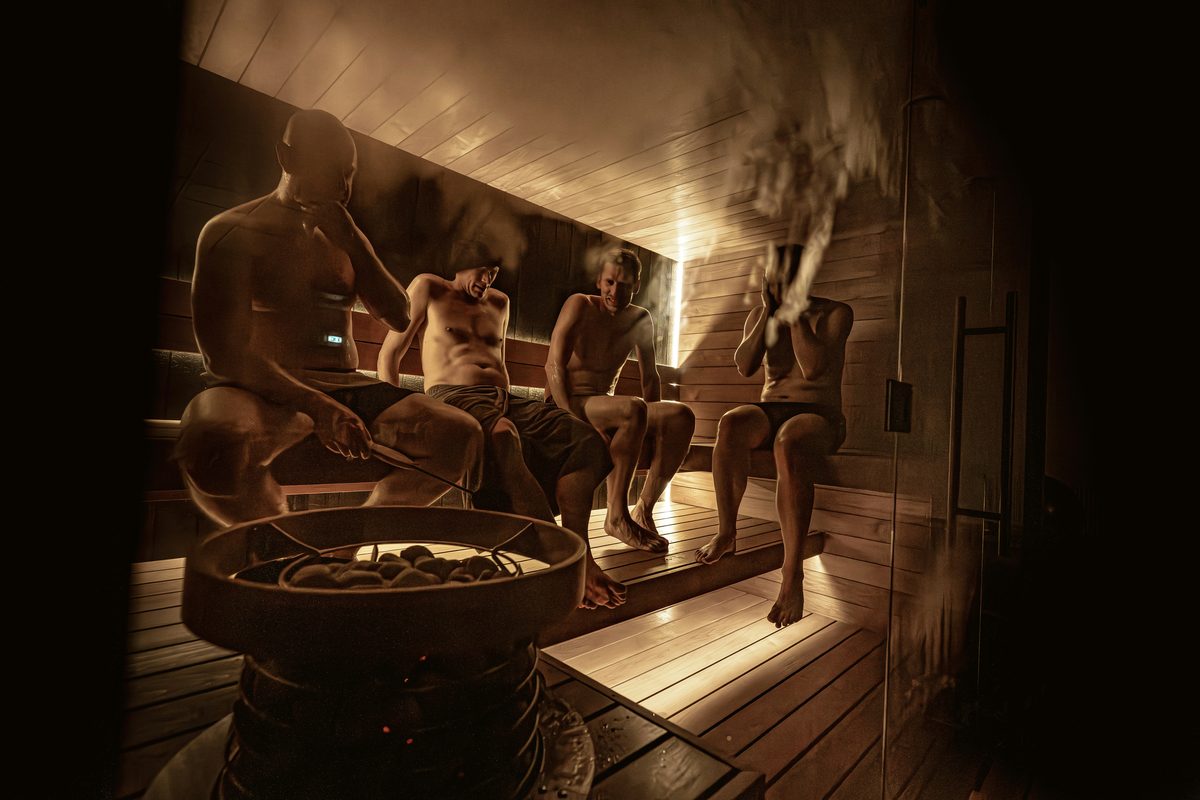
Generic temperature and timer charts leave out too much. A displayed temperature can mean something different at the upper bench, lower bench, door, or sensor. Humidity, ventilation, sauna type, medication, health, and recent exercise also change the experience.
Use this page as a preparation and decision guide. Use the exact product manual for operating limits.
Before you enter
Read the exact manual
Confirm the allowed operating range, control sequence, timer behavior, heater clearances, thermometer or sensor location, ventilation, stone requirements, and whether water may be used. A public sauna's posted rules take priority over a general online guide.
Check your heat risk
Do not enter while drinking alcohol, intoxicated, ill, or already overheated or dehydrated. Heat can interact with prescription and over-the-counter medicines. Do not stop or change medication on your own; ask a clinician or pharmacist how your medication and health history affect deliberate heat exposure.
Make the exit easy
Keep the door and walkway clear. Set up a stable room-temperature place to sit or lie down. If you are new, using an unfamiliar sauna, or have any reason to expect difficulty, have another responsible adult nearby.
Pregnancy needs a separate decision
The American College of Obstetricians and Gynecologists advises against sauna and hot-tub use early in pregnancy. Ask your obstetric clinician for guidance that fits your pregnancy rather than relying on a generic routine.
A first-session decision path
| Step | What to do |
|---|---|
| 1. Inspect | Check the room, controls, floor, bench, door, guard, thermometer, and recovery route. Do not use damaged or unfamiliar equipment without help. |
| 2. Start conservatively | Use the product's approved range. Choose the more tolerable bench or setting and keep the exit simple. Do not copy another person's timer. |
| 3. Monitor | Notice breathing, balance, alertness, nausea, headache, weakness, and overall comfort. Leave early; there is no prize for reaching a number. |
| 4. Recover | Sit or lie down in a stable cooler area until breathing, balance, and comfort feel normal. Drink according to thirst and any clinician-provided fluid restrictions. |
| 5. Decide again | Another round is optional. Skip it if you are not fully recovered, the equipment is behaving unexpectedly, or the conditions have changed. |
Temperature, time, and bench height
Harvia's current guidance does not name one correct sauna temperature. It says the setting should account for comfort, age, and health. Its support material also shows why sensor placement and ventilation matter: air flowing over a sensor can make the heater read the room incorrectly.
Traditional electric or wood-burning saunas, infrared cabins, steam rooms, and sauna blankets are not interchangeable. They use different heat sources, controls, surfaces, and instructions. A lower air temperature does not prove that one device is safer or that it produces the same physiological response as another.
A timer is a backstop, not a target. Follow the exact manual's maximum operating rules and leave sooner when your body or the room gives you a reason.
Water on sauna stones
First question: does the exact heater manual allow water on the stones? If the answer is missing or unclear, do not pour.
- Use the water type and amount allowed by the manufacturer. Finlandia's current manual specifies clean water and warns against pool or spa water.
- Use the required ladle and method. Keep hands, face, and body clear of the rising steam.
- Do not pour onto exposed elements, controls, infrared emitters, or any heater not designed for it.
- Do not add fragrance or oil unless the heater and fragrance instructions explicitly permit the product and dilution.
- Stop using the heater if water behaves unexpectedly, stones are missing or deteriorated, an overheat control trips, or the manual's required clearances are not met.
Sauna bucket and ladle
For heaters whose exact manual permits water on the stones. Verify material, capacity, and care instructions before ordering.
Compare Current Amazon Listings →Cooling down after the sauna
Start with the controllable option: a stable room-temperature place to recover. A comfortable shower may follow when you feel steady.
Sauna is not a skin treatment. If sweat or heat tends to irritate your skin, use a clean towel, wash gently afterward, and review the evidence on sauna, acne, eczema, and aftercare.
A cold plunge is a separate exposure with its own risks. It needs a measured water temperature, easy entry and exit, supervision, water care, and product-specific instructions. Do not treat cold water as a required finish. See the sauna and cold-plunge safety guide.
After the last round
- Shut down or leave the heater operating only as the exact manual directs.
- Remove wet items and standing water without touching hot surfaces.
- Use the prescribed ventilation or drying procedure. Harvia notes that cold outside air may not dry a sauna effectively in winter.
- Record anything unusual: breaker trips, sensor errors, odor, smoke, damaged stones, loose guards, water leaks, or a door that does not operate freely.
- Keep children away from a hot or cooling heater and from unattended water.
When to seek help
CDC heat-illness guidance lists headache, nausea, dizziness, weakness, thirst, heavy sweating, confusion, fainting, and altered speech among warning signs. Leave the heat and do not stay alone with worsening symptoms.
Call emergency services for confusion, loss of consciousness, severe symptoms, or suspected heat stroke. A guide on a sauna website cannot determine whether chest pain, breathing difficulty, fainting, or another symptom is a heat reaction or a medical emergency.
Primary and official sources
- CDC/NIOSH: heat-related illnesses and first-aid warning signs
- CDC: heat and medication guidance for clinicians
- ACOG: sauna and hot-tub use early in pregnancy
- Harvia: selecting a sauna temperature
- Harvia: temperature-sensor placement
- Finlandia: current heater operating and maintenance manual
- Harvia: drying and maintaining a sauna
FAQ
How long should a beginner stay in a sauna?
There is no universal duration. Follow the manual, start conservatively, keep an easy exit, and leave before discomfort becomes a test of endurance.
What temperature should a beginner use?
Use the range and thermometer location in the exact product manual. Bench height, humidity, ventilation, sensor placement, health, medication, and experience all matter.
Can you pour water on every sauna heater?
No. Pour water only when the exact heater manual permits it. Infrared emitters and unfamiliar or damaged heaters are not places to improvise.