
Installation planning
Sauna Electrical Requirements
Reviewed August 2026 · 8 min read
Start with the exact heater or prebuilt cabin. Its current manual and certification determine the electrical conversation. A generic kilowatt-to-breaker chart cannot safely replace that documentation.
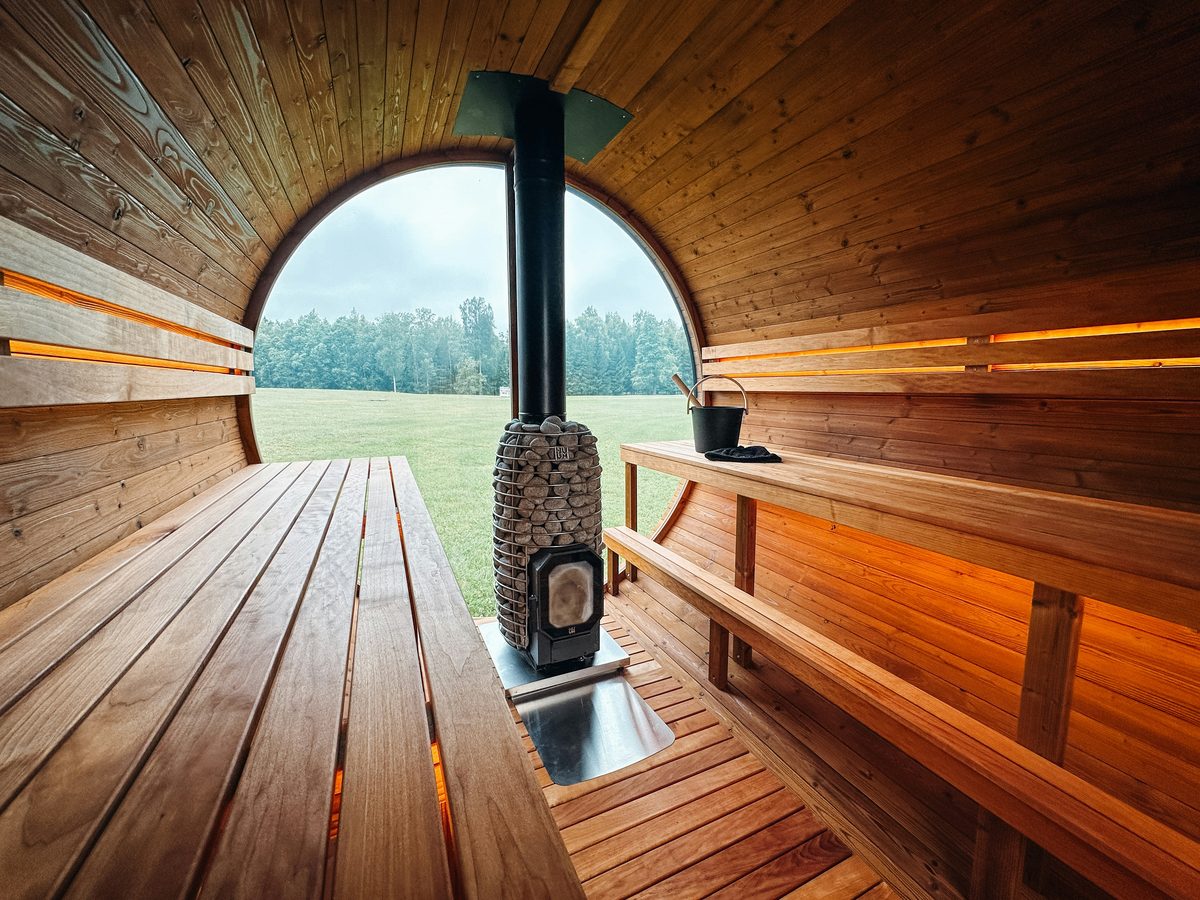
Do not buy the breaker first
Model numbers that look similar may use different voltage, phase, control, conductor, and protection requirements. Confirm that the exact equipment is intended and certified for the country where it will be installed.
The information your electrician needs
| Input | Where to get it | Why it matters |
|---|---|---|
| Exact model and item number | Quote, product label, and current manufacturer page. | The family name alone may cover different electrical versions. |
| Installation manual | Manufacturer's official support or product page. | Contains the wiring diagram, protection, controls, clearances, and location limits. |
| Certification and country version | Nameplate, manufacturer, and certification database. | A similarly named overseas model may not be suitable for a North American installation. |
| Panel and service information | Panel labels and electrician's load calculation. | An empty breaker space does not prove the service has capacity. |
| Route and site conditions | Measured path, site photos, finished surfaces, and utility locations. | Distance, exposure, trenching, wet locations, and access affect the design and quote. |
| Controls and accessories | Complete equipment schedule. | Separate controllers, sensors, lights, and remote functions can change the installation. |
Why heater size alone is not enough
Power is one input. The exact equipment documentation must also identify voltage, phase, current, conductor arrangement, permitted controls, disconnecting means, clearances, and any special installation limits.
For example, Harvia's current U.S. listing for one KIP80B identifies an 8 kW, 240 VAC, single-phase, UL-certified model and tells buyers to check the current manual. That does not make every heater labeled "KIP80" electrically interchangeable.
Verify the exact product
The GFCI question must be resolved for the exact installation
A blanket statement that every sauna heater either requires or prohibits GFCI protection is unreliable. Manufacturer instructions, product certification, and locally adopted requirements must be reviewed together.
The North American HUUM STEEL manual, for example, recommends connecting without a GFCI breaker. That is precisely why a buyer should not choose protection hardware from a generic article. Give the exact manual to the electrician and permit authority, then resolve the installation before ordering equipment.
Read the North American HUUM STEEL manualPanel capacity requires a load calculation
Do not estimate service capacity by counting open spaces. The electrician should evaluate the service, panel, existing loads, equipment rating, and locally adopted rules. EV charging, electric HVAC, cooking, water heating, and other large loads can affect the design.
Ask for alternatives when capacity is tight. The right answer may be a different heater, load-management equipment where permitted, service work, or a different project scope. It is not automatically a panel replacement.
Outdoor routes need site-specific design
An outdoor sauna may involve wet or damp locations, exposed equipment, underground or exterior routing, physical protection, disconnect placement, utility locating, and coordination with the foundation. Burial depths and wiring methods depend on the complete installation and local requirements.
How to get a useful electrical quote
- 1
Send the exact manual
Do not send only a retailer screenshot or heater family name.
- 2
Show the proposed location
Include the panel, route, sauna, controller, foundation, and any finished surfaces.
- 3
Request a complete scope
Ask whether permits, inspections, trenching, patching, controls, disconnects, startup, and taxes are included.
- 4
Identify assumptions
Have the electrician label what was verified and what could change after access or inspection.
Questions to ask the electrician
- Have you reviewed the current manual and nameplate for this exact item number?
- Is this model certified and suitable for the proposed country and location?
- Does the service have capacity based on a load calculation?
- How will manufacturer instructions and local GFCI requirements be reconciled?
- Which permits and inspections are included in the quote?
- Who coordinates trenching, utility locating, foundation penetrations, controls, and startup?
- What is excluded, and which amounts are allowances rather than fixed prices?
Price the complete electrical scope
A low quote may omit trenching, controls, permits, inspection, patching, or panel work. Put every category into the project budget before comparing bids.