Sauna for Weight Loss: What Actually Works (and What Doesn't)
Updated February 2025 — Backyard Sauna Pro
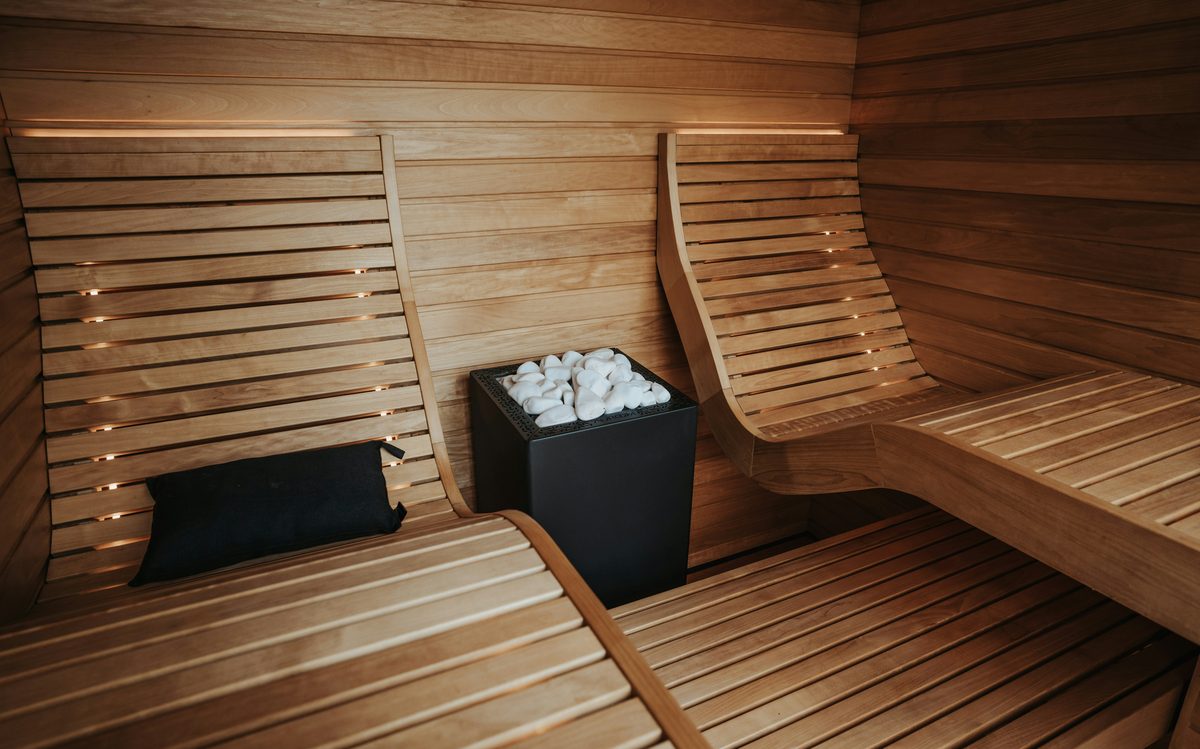
The honest version: a sauna will not melt fat. The weight you lose during a session is water weight and it comes back the moment you drink. Anyone claiming otherwise is selling something.
But that's not the whole story. Regular sauna use does support weight management through real physiological pathways, just not the direct fat-burning mechanism most people assume. Here's what the research actually shows.
What Sauna Actually Does to Your Body
Water weight vs fat loss
During a 20-minute sauna session, you can sweat out 0.5 to 1.5 liters of fluid. That shows up immediately on the scale as lost weight, but it's entirely water and electrolytes, not fat. Drink 16 oz of water and the scale goes back up. This is the mechanism behind sauna suits and sweat wraps sold as weight loss tools. They cause temporary dehydration, not fat loss.
Calorie burn
Your heart rate rises during a sauna session, typically to 100-150 BPM at 170-185°F. That elevated heart rate does burn additional calories above your resting rate. Studies estimate 50 to 150 calories per 30-minute session, roughly equivalent to a light walk. Meaningful over a year of consistent use, but not significant in any single session.
Cortisol and stress-related weight
Chronic elevated cortisol is associated with fat storage, particularly abdominal fat. Regular sauna use reduces cortisol levels, this is one of the most consistent findings in sauna research. If stress is a significant driver of your weight management challenges, the cortisol reduction from regular sauna use may be its most useful mechanism.
Sleep quality
Poor sleep is directly linked to weight gain, it disrupts hunger hormones (ghrelin and leptin) and increases cravings for calorie-dense foods. Regular sauna use improves sleep quality through the body temperature drop that follows heat exposure. Better sleep means better hunger regulation, which compounds over time.
Cardiovascular fitness
Finnish research following sauna users over years found meaningful improvements in cardiovascular health metrics including resting heart rate, blood pressure, and VO2 max, especially when combined with regular exercise. Better cardiovascular fitness means higher daily calorie burn and more capacity to sustain exercise intensity. This is the most significant long-term metabolic benefit of regular sauna use.
The Realistic Picture
Sauna is a health tool, not a fat loss shortcut. Used consistently, 4 to 7 times per week, 15-20 minutes per session, it compounds with good diet and exercise to produce better outcomes than diet and exercise alone. It does not replace either.
If you're using sauna primarily for weight loss, the most effective approach is pairing it with post-workout sessions. The growth hormone release, cortisol reduction, and improved sleep quality that come from regular post-workout sauna use stack with the training benefits rather than being a separate intervention.
What sauna does exceptionally well is make you want to continue the habits around it. People who sauna regularly tend to sleep better, drink more water, exercise more consistently, and generally take their health more seriously. The indirect effects may exceed the direct physiological ones.
How to Use Sauna for Maximum Benefit
- Frequency: 4-7 sessions per week. Daily use is common among Finnish sauna users and appears safe for healthy adults.
- Duration: 15-20 minutes per round. Multiple rounds with cool-down breaks are fine.
- Timing: After exercise is ideal for recovery and metabolic benefit. Evening use improves sleep quality.
- Hydration: Drink water before and after every session. Dehydration offsets the benefits.
- Cold contrast: Cold shower or cold plunge after the heat amplifies the cardiovascular and cortisol benefits.
FAQ
Does sauna help with weight loss?
Indirectly yes, through cortisol reduction, better sleep, and cardiovascular fitness improvements. Direct fat burn per session is minimal. It's a complement to diet and exercise, not a replacement.
How many calories do you burn in a sauna?
Roughly 50-150 calories above resting rate per 30-minute session. Modest but adds up over consistent long-term use.
How often should you use a sauna to lose weight?
4-7 sessions per week of 15-20 minutes each, based on Finnish research showing metabolic and cardiovascular benefits at this frequency.