
Heater planning hub
Choose a sauna heater by project, not by rank
Last reviewed August 15, 2026
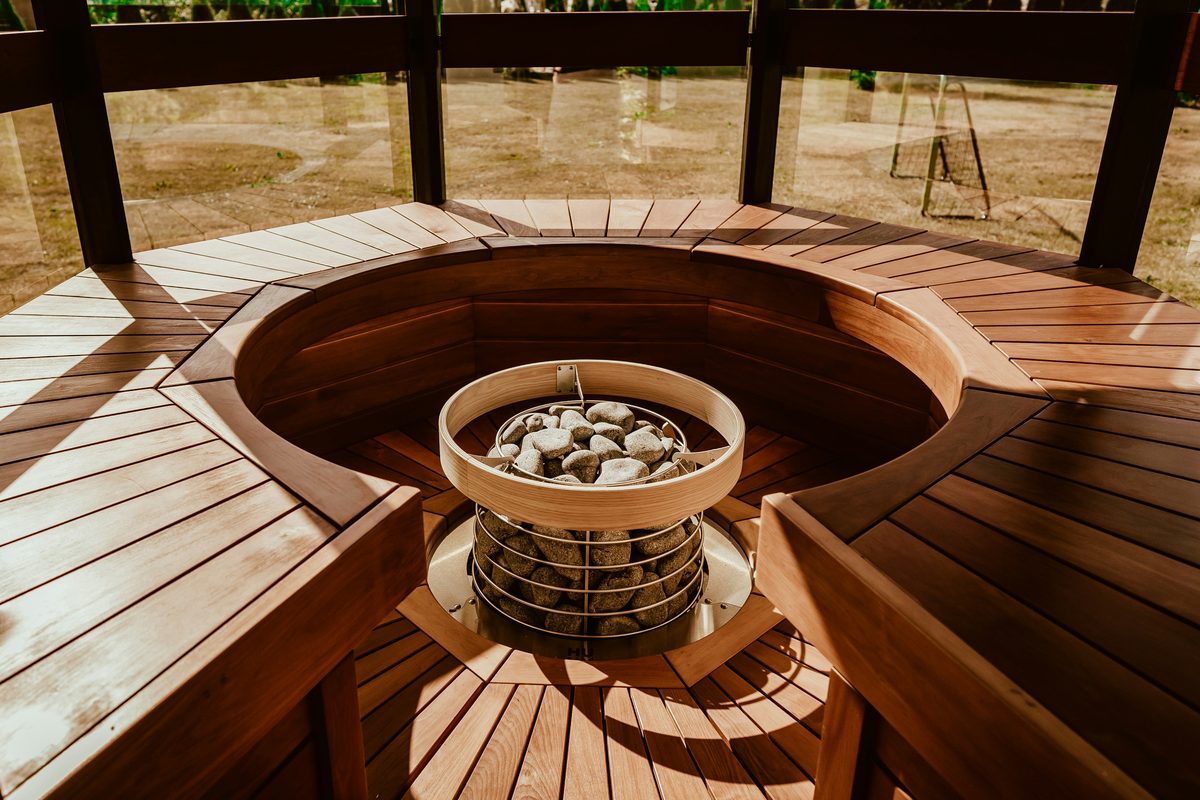
A heater is not a freestanding appliance choice. It is part of the room, power or chimney, controls, clearances, ventilation, and safety plan. Start with the project. The model shortlist comes later.
The first decision is fuel. Electric and wood heaters can both produce traditional sauna heat and allow water on approved stones when the manual permits it. They create very different installation and operating responsibilities.
Electric
For predictable controls and routine use
Electric heat is usually the practical path when the site can support the exact voltage, phase, circuit, conductor, controls, and disconnect required by the heater manual.
- Built-in manual or separate digital controls.
- Wall-mounted or floor-standing formats.
- Dedicated electrical design and qualified installation.
- Potential remote operation only on approved packages.
Wood-burning
For intentional fire operation
Wood heat can fit remote sites or buyers who want to manage a fire. The heater is only one part of the system; the chimney, hearth, shielding, clearances, fuel, and fire code can drive the project.
- Approved chimney and roof or wall penetration.
- Combustible clearances and protective surfaces.
- Fuel storage, ash handling, and routine inspection.
- Local permit, fire, and insurance review.
Specialized gas option
Propane requires a documented heater and an installer-led gas plan
Current US propane-capable sauna options are limited. Evaluate the exact room, fuel pressure, vent direction, combustion air, controls, rough-in, guard, permits, and licensed installation before treating gas as an electric or wood alternative.
Review the propane project requirementsSix inputs that decide the heater
- Adjusted room volume. Measure the finished interior, then apply the selected manufacturer's method for glass, masonry, tile, and other uninsulated surfaces.
- Fuel and utility path. Confirm panel capacity and cable route for electric, or chimney and combustion requirements for wood.
- Controls. Decide whether built-in dials, a separate panel, scheduling, or approved remote use matters before comparing packages.
- Placement and clearances. Wall, floor, bench embedding, guards, doors, and combustible surfaces limit the usable models.
- Stone system. Compare the required stone size and quantity, whether stones are included, and the maintenance burden of a larger stone mass.
- Complete cost. Add controls, sensors, power units, stones, guard, chimney or electrical work, permits, freight, and labor to the heater price.
Do not use one universal sizing shortcut
Simple rules such as “one kilowatt per 45 cubic feet” can be an early sense check, but they are not a final selection method. Manufacturers publish different model ranges and adjustments. Glass, masonry, insulation, climate, ceiling height, and ventilation can change the load.
Use the heater-sizing planning guide
What to send the electrician or installer
- The exact heater item number and current installation manual.
- Finished room dimensions and uninsulated surface calculations.
- Planned heater, control, sensor, guard, door, and bench locations.
- Panel or chimney route, distances, and access constraints.
- Local permit, inspection, and disconnect requirements.
- The retailer's itemized list of included and required components.
FAQ
Should I choose electric or wood heat?
Choose electric when routine controls and a code-compliant power path fit the site. Choose wood when fire operation is intentional and the chimney, hearth, clearances, fuel, and local requirements are acceptable.
What information do I need before choosing a heater?
You need the finished room dimensions, glass and masonry area, insulation, available power or chimney path, control preference, placement, and the manual for the exact heater item.