Sauna Room Ideas (2025): Design, Layout, and Materials
Updated February 2025 — Backyard Sauna Pro
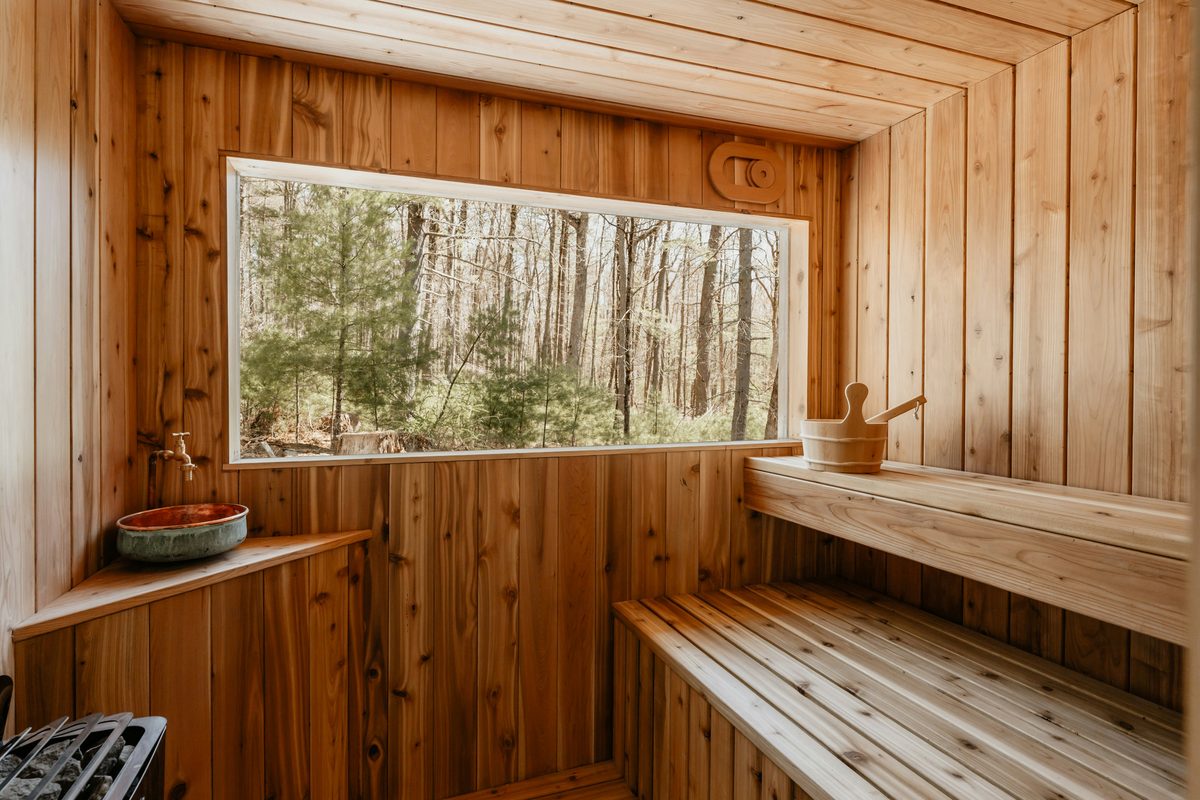
A sauna room does not need to be complicated. The best ones are simple: good wood, a capable heater, enough bench space, and a view or some natural light if you can manage it. Here are the ideas and decisions that make the biggest difference.
Indoor Sauna Room Ideas
Basement sauna
The most common location for a home sauna addition. Basements are already temperature-controlled, below grade keeps exterior wall insulation requirements modest, and there is usually panel capacity for a 240V circuit. A 6x8 foot corner in a finished basement converts to a 3-4 person sauna that blends into the home. Use a pre-built kit or frame it out — either way, insulate all exterior walls well since basement concrete bleeds cold year-round. See our guide on best indoor sauna kits for pre-built options.
Bathroom sauna conversion
A large master bath with unused square footage is a natural candidate. The plumbing is already there for a post-sauna shower, and the space is already moisture-tolerant. The constraint is usually ceiling height — standard 8-foot ceilings work, but the sauna box itself needs to be framed carefully to maintain enough headroom on the upper bench while keeping the heater zone manageable.
Garage sauna
Garages tolerate the mess of construction and the humidity of sauna use well. Usually easy to run a 240V circuit from the panel. Insulation requirements are higher since garage walls and ceilings are poorly insulated by default. A well-insulated garage sauna heats up fast and holds temperature well once built correctly.
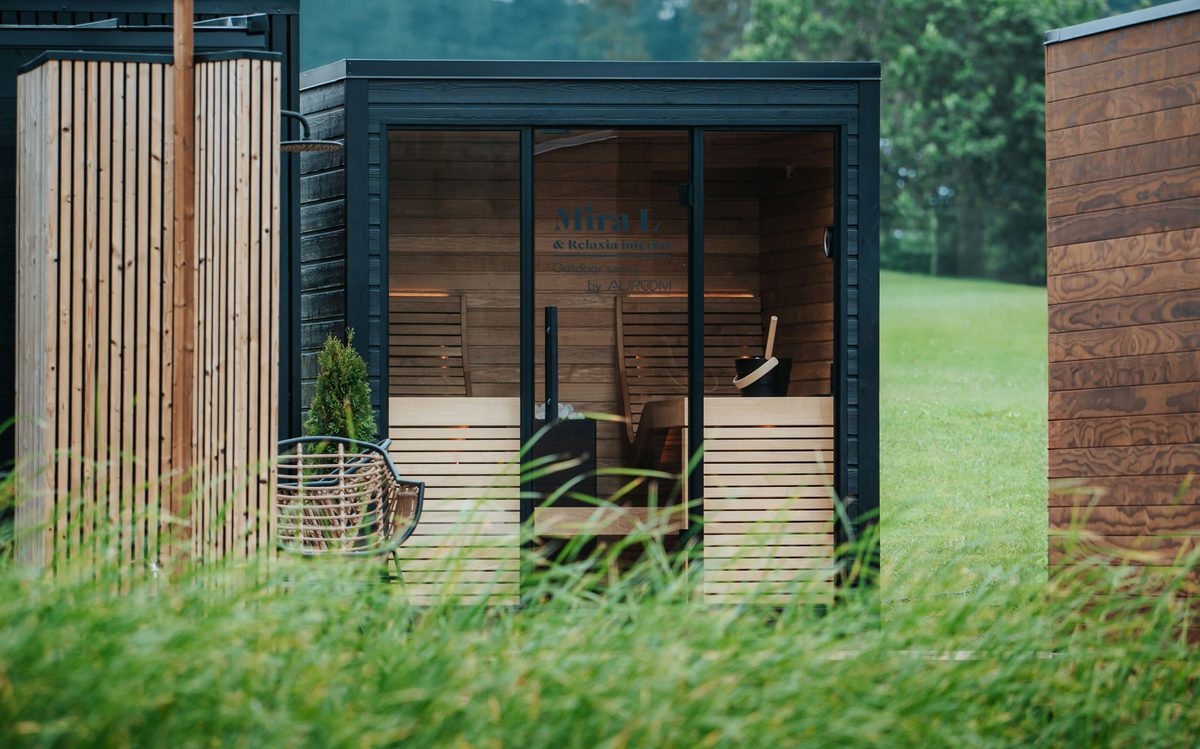 Outdoor Sauna Room Ideas
Barrel sauna
The most popular outdoor option. Cedar barrel saunas heat fast (round interior is efficient), look good in a backyard, and install in a day. Add a cedar deck or gravel pad for drainage and the setup looks intentional. The main aesthetic decision is placement — partially screened by trees or a privacy fence, or positioned as a backyard focal point. See our barrel sauna kit guide for top options.
Cabin-style sauna
A purpose-built outdoor structure with a changing room anteroom, proper insulated walls, and a dedicated heater. This is the most authentic experience and the most permanent investment. Budget $8,000-$20,000+ for a custom build. The changing room is worth the extra footprint — having a dry space to cool down between rounds makes the whole experience significantly better.
Backyard shed conversion
An existing shed or outbuilding can convert to a sauna for less than a new barrel kit. The key requirements: proper insulation on all walls and ceiling, vapor barrier, a suitable heater (electric is easiest), and a dedicated circuit. Sheds with windows need the windows sealed or replaced — light is fine, air gaps are not. Read our how to build a sauna guide for a full construction walkthrough.
Design Details That Matter
Wood selection
Cedar is the standard for a reason — it handles moisture, resists decay, and the scent when heated is part of the experience. Hemlock costs less and works nearly as well. For walls and benches, use clear grade lumber with no knots that could overheat and burn skin. See our cedar vs hemlock comparison for the full breakdown.
Bench layout
Two-tier benching is standard. The upper bench is hotter (heat rises), lower bench is for entry-level heat or sitting while the upper bench is in use. Bench depth of 18-20 inches lets one person sit comfortably; 24 inches allows lying down. Bench height: upper at 42-48 inches off the floor, lower at 18-22 inches.
Lighting
Dim, warm light makes a sauna feel better. Recessed sauna-rated fixtures in the ceiling or behind the upper bench create indirect, even light without glare. Avoid standard recessed cans — they need to be vapor-rated for the heat and humidity. Some barrel saunas have small windows that provide natural light during daytime sessions, which many people prefer.
Ventilation
Fresh air intake low on the wall (4-6 inches off the floor, near the heater), exhaust vent high near the ceiling. This creates a natural convection loop and prevents dead air. Essential for both comfort and safety. See our sauna ventilation guide for full detail.
FAQ
What is the best wood for a sauna room?
Cedar for North American builds — moisture-resistant, pleasant scent, stays cool to the touch. Hemlock is a solid budget alternative. Avoid hardwoods.
How big should a home sauna be?
4x6 feet for 1-2 people. 6x8 feet for 3-4. Ceiling at 7 feet. Size up if you can — the incremental cost is modest and the comfort difference is significant.
Can you add a sauna to an existing room?
Yes. Indoor kits fit in basements, garages, and spare rooms. Main requirements: a 240V circuit, insulated walls, moisture barrier, and ventilation.